Easy Kitchen Clutter Solutions
That Actually Work
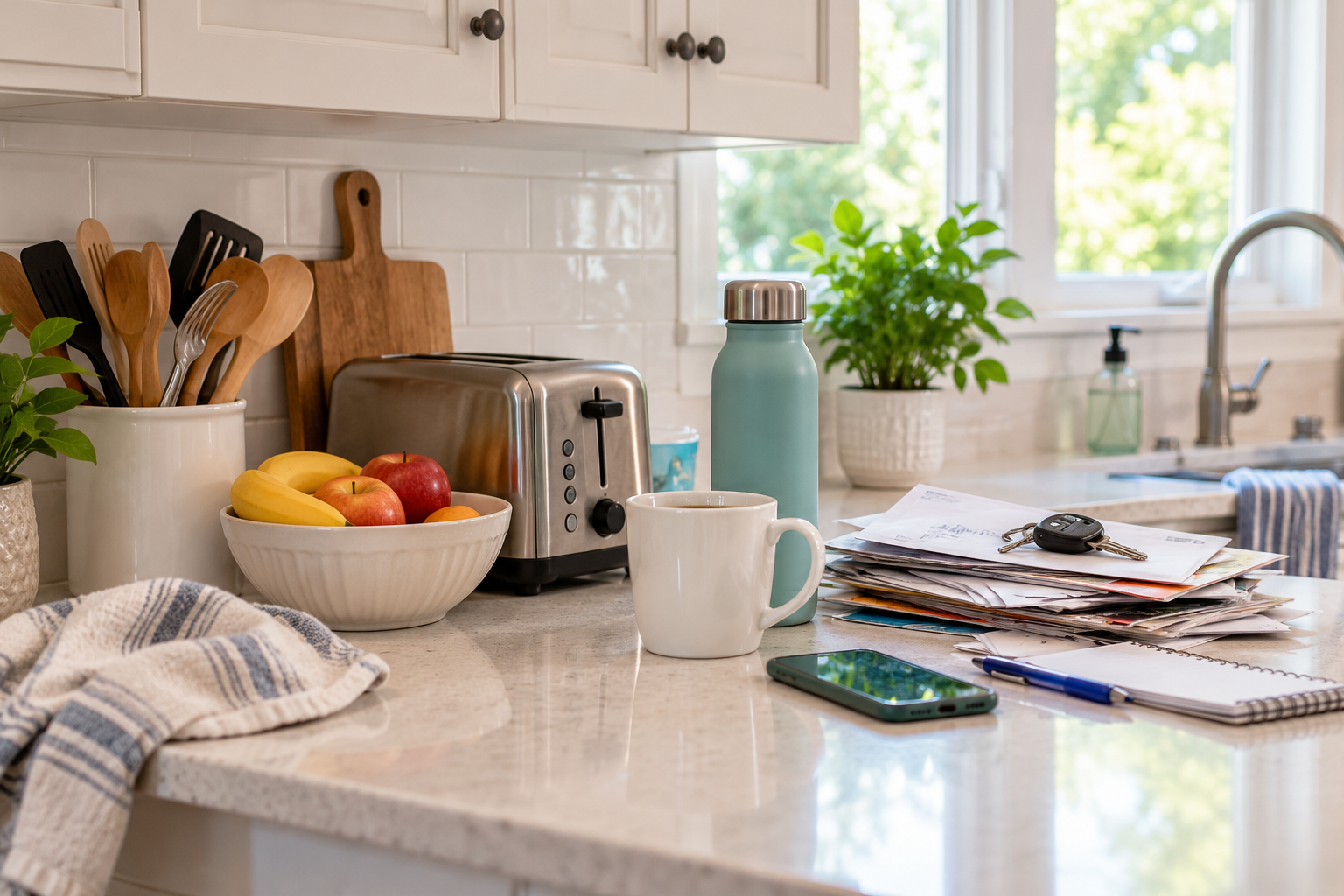
Tired of crowded countertops, overflowing drawers, and cabinets that threaten to avalanche every time you open them? These easy kitchen clutter solutions will help you reclaim your space without remodeling your kitchen—or buying another dozen storage containers.
The kitchen is one of the hardest-working rooms in the house. It's where meals are prepared, groceries are unpacked, homework gets finished, and everybody seems to leave something behind.
Keys. Mail. Water bottles. Yesterday's coffee mug.
Somehow, the kitchen counter becomes the unofficial headquarters for everything that doesn't have a home.
The good news? You don't need a bigger kitchen to make it work better. You need less clutter, smarter storage, and a few simple habits that keep things under control.
Here's where to begin.
1. Start With Your Kitchen's Trouble Spots
Before buying organizers or rearranging cabinets, take a good look at how your kitchen actually functions. Where does clutter collect?
Is it the counter beside the refrigerator? The drawer that holds everything from batteries to birthday candles? The cabinet where plastic containers go to lose their lids?
Identify your three biggest trouble spots. Then tackle one at a time. Don't empty every cabinet and drawer at once unless you enjoy spending Saturday evening surrounded by measuring cups and expired crackers.
Quick kitchen clutter check:
- Which countertops are difficult to use because they're crowded?
- Which drawers are hard to open or close?
- Which cabinets contain things you rarely use?
- Where do mail, keys, and miscellaneous household items accumulate?
- Which frequently used items are inconvenient to reach?
Your answers will tell you where a little organizing will make the biggest difference.
2. Make Your Kitchen Setup Work for You
A well-organized kitchen should make everyday tasks easier, not send you on a scavenger hunt. Take inventory of your frequently used appliances: the toaster, blender, coffee maker, mixer, and food processor.
Think about where you use each one. If you're carrying bread across the kitchen every morning to reach the toaster, consider moving the toaster closer to your bread storage and an appropriate electrical outlet.
Keep appliances on stable surfaces with enough ventilation and clearance, following their manufacturers' instructions. The same principle applies to utensils, cookware, and dishes.
Store frequently used items near the places where you use them. Keep pots and pans near the stove when practical. Store everyday dishes near the dishwasher.
Place baking supplies together so you aren't searching three cabinets for the vanilla extract. The fewer unnecessary steps you take, the easier your kitchen becomes to use.
3. Clear the Kitchen Countertop Clutter
Countertops are valuable workspaces. The more stuff you keep on them, the less room you have for preparing meals. Start by removing everything that doesn't belong.
Return paperwork, toys, tools, and other household wanderers to their proper homes. Then look at what's left.
Keep only the appliances and supplies you use frequently enough to justify their counter space.
A ceramic crock can hold everyday cooking utensils. A shallow basket or small wooden crate can corral packaged snacks. Decorative tins or jars can organize tea bags and other small items.
But don't turn every available inch of counter space into another storage area.
The goal is to create usable workspace, not a prettier collection of clutter.
Leave enough clear counter space for preparing meals, unloading groceries, and handling everyday kitchen tasks. Get more decluttering tips.
4. Organize Kitchen Cabinets and Drawers
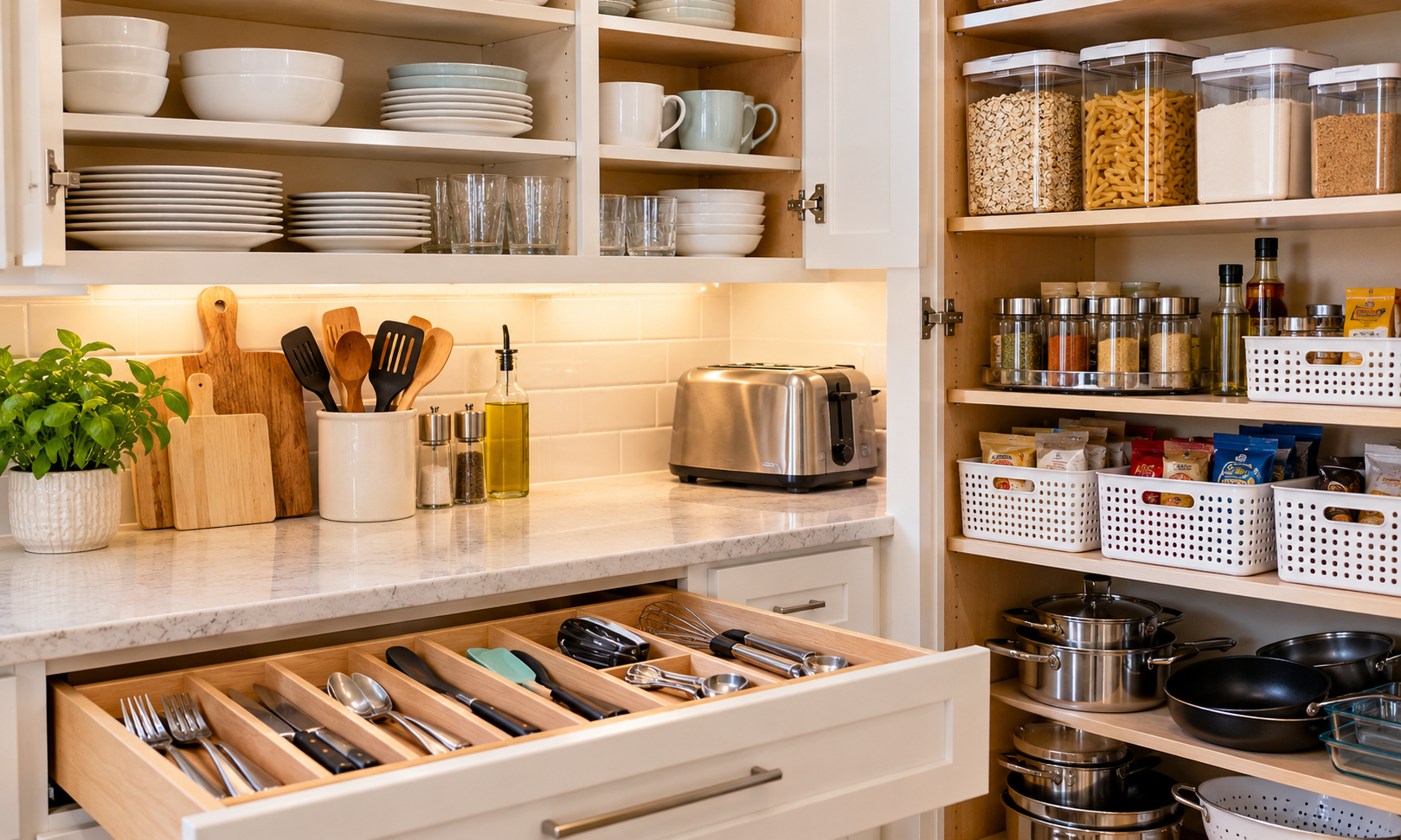
Now for the cabinets. Start with one cabinet or drawer, not the entire kitchen. Remove its contents, wipe the surfaces, and group similar items together.
As you sort, ask yourself:
- Do I actually use this?
- Is it damaged or missing an essential part?
- Do I already own something that does the same job?
- Is this worth the space it occupies?
Drawer dividers, small boxes, and sectional organizers can keep utensils, scissors, measuring spoons, and other small items from becoming a tangled mess.
Cabinet shelf risers or wire racks can make better use of vertical space and prevent stacks of dishes from becoming precariously tall.
Pull-out shelves and corner cabinet carousels may also help make deep storage spaces more accessible.
For overhead cabinets, reserve difficult-to-reach areas for lightweight items you use infrequently. Keep heavy cookware where you can lift it safely.
And before buying new organizers, measure your cabinets.
There's nothing quite like discovering that your brilliant new storage solution is half an inch too wide.
5. Get Food Storage Under Control
A disorganized pantry makes it surprisingly easy to buy food you already have. Group food by category so you can see what's available.
Keep baking supplies together, cereals in one area, and canned goods in another.
Arrange spices in a way that makes sense to you. Alphabetical order works well if you have a large collection, but grouping spices by how frequently you use them may be more practical.
Clear, airtight food-safe containers can help organize dry goods such as pasta, rice, and flour.
You don't have to transfer everything into matching containers, though. Original packaging often works perfectly well.
Check expiration and best-by dates, inspect food for spoilage, and rotate older products toward the front so they're used first.
A basket or ventilated bowl can keep suitable whole fruits and vegetables visible, but remember that some produce needs refrigeration.
The point is simple: Make it easy to see what you have before buying more.
6. Give Everyday Kitchen Clutter a Home
Not everything that ends up in the kitchen belongs in a cabinet. Mail, school notices, grocery lists, keys, and family schedules have a way of collecting on the nearest available surface.
Instead of fighting this reality, create a designated place for the things your household actually needs.
A small basket can hold incoming mail until you sort it.
A magnetic message board or calendar on the refrigerator can keep appointments and reminders visible.
Use magnets to display a few favorite family photos or children's drawings rather than covering every inch of the refrigerator door. And periodically clear out old notices, expired coupons, and takeout menus you no longer need.
A family message center is useful. A refrigerator covered with three years of school announcements is an archaeological exhibit.
7. Make Everyday Kitchen Cleanup Easier
One of the smartest kitchen organizing tricks is to store everyday dishes and silverware close to the dishwasher.
If possible, assign a convenient cabinet and drawer to the plates, bowls, glasses, and utensils your household uses most often.
That makes unloading the dishwasher faster and helps everyone put things away. If you own several sets of dishes, keep the everyday pieces in the most accessible location.
Store extra place settings somewhere less convenient but still easy to reach when needed.
There's no reason your holiday serving platter should occupy prime cabinet space eleven months of the year.
The same goes for specialty appliances, oversized roasting pans, and seasonal baking equipment. Let the things you use most often have the best storage spots.
8. Keep Kitchen Clutter From Coming Back
Once your kitchen is organized, a few small habits can prevent clutter from taking over again.
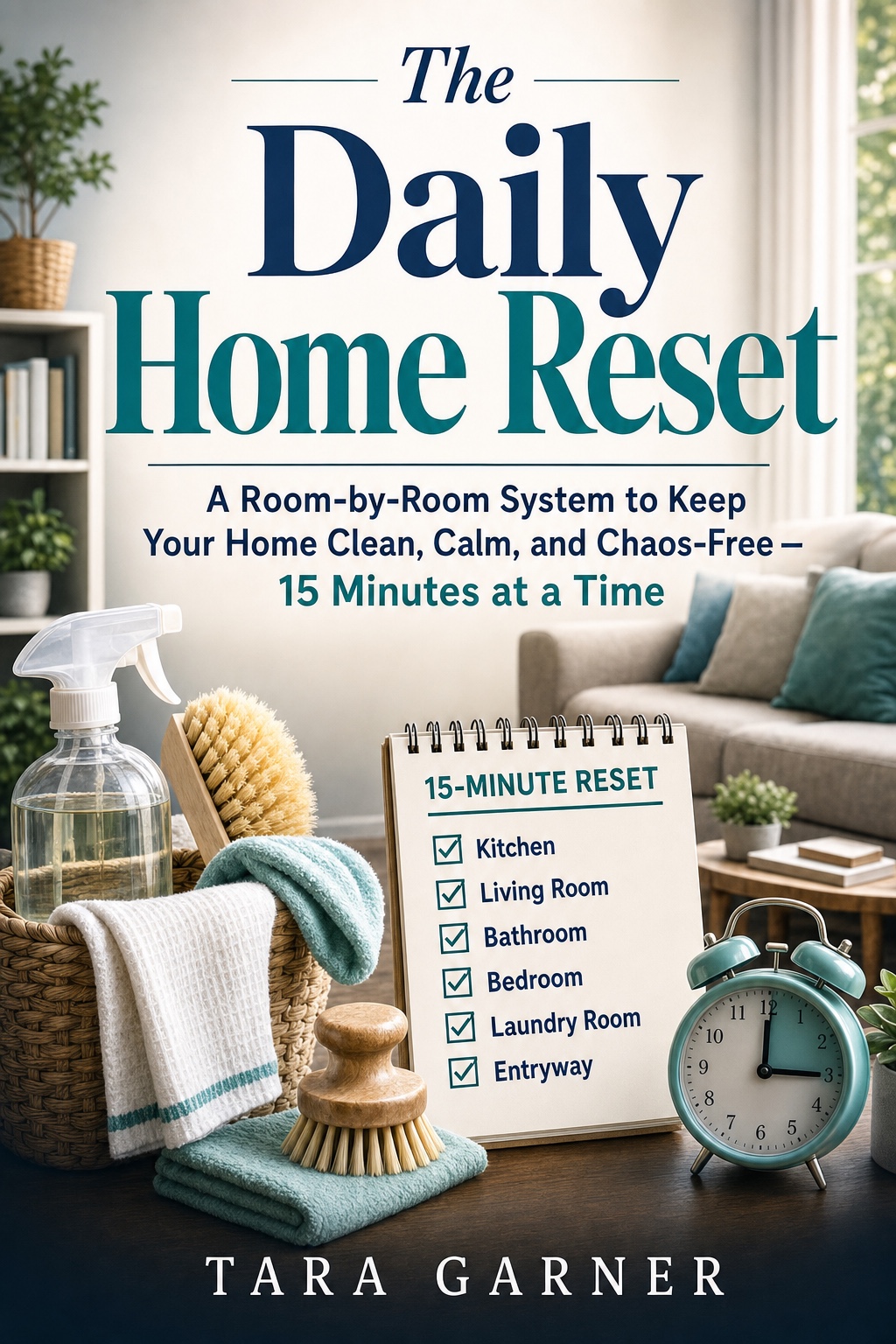
Try this simple five-minute kitchen reset:
- Return stray items to their proper rooms.
- Put away clean dishes and utensils.
- Clear and wipe the main food-preparation counter.
- Sort or relocate any mail and paperwork.
- Put away food and check that perishables are properly stored.
You don't need to reorganize the kitchen every evening. You just need to keep yesterday's clutter from becoming tomorrow's problem.
And when something new comes into the kitchen, consider whether it replaces something you already own.
Another novelty gadget may look irresistible in the store. But if you have to rearrange three cabinets to accommodate it, you might want to reconsider.
Ready to Declutter Beyond the Kitchen?
Once you've cleared the counters and organized the cabinets, there's still the bedroom closet, overflowing garage, and that mysterious storage area nobody wants to open.
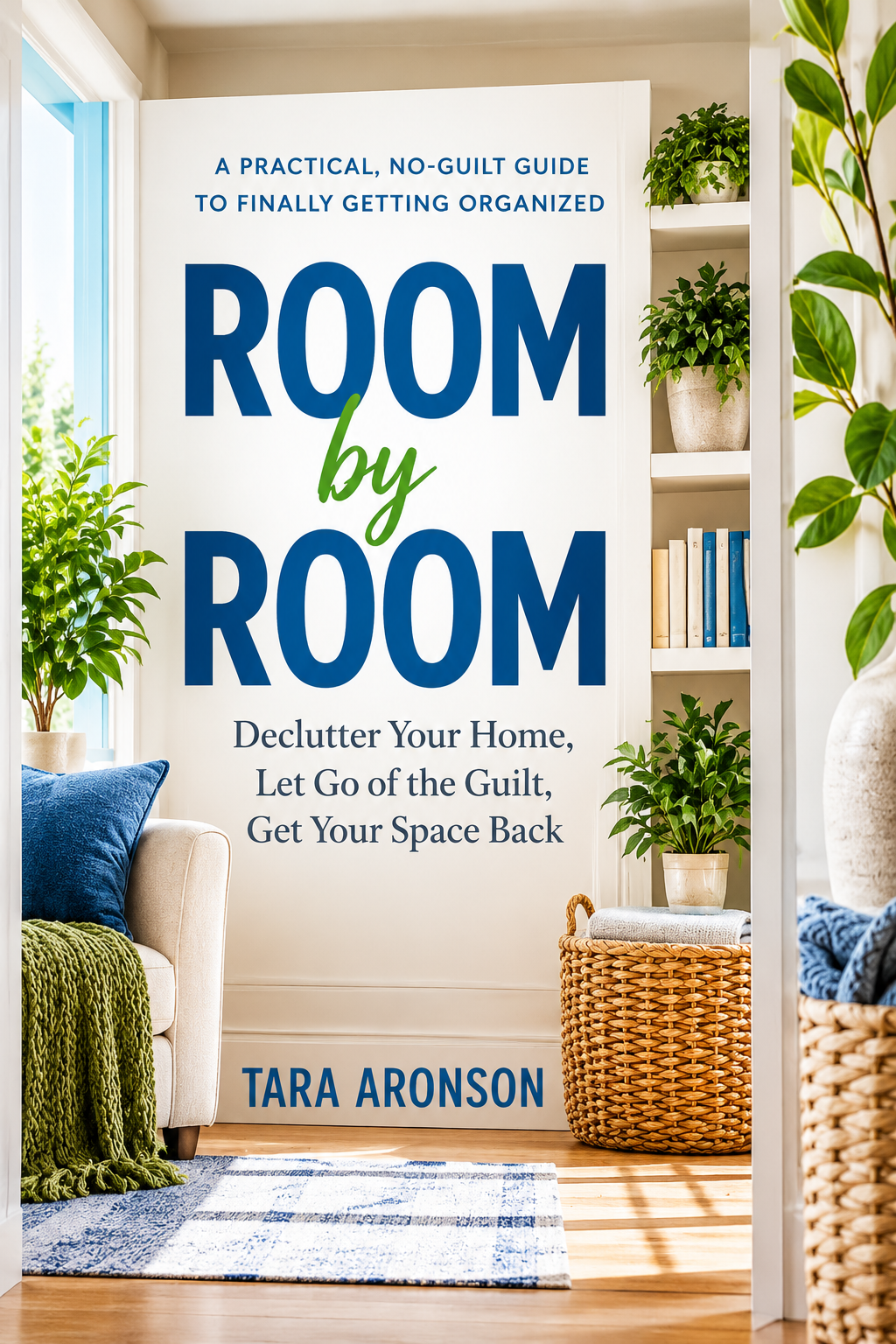
My book Room by Room: Declutter Your Home, Let Go of the Guilt, Get Your Space Back offers a practical approach to tackling clutter throughout your home—without marathon cleanouts or extreme minimalism.
A more organized kitchen isn't about creating a picture-perfect space.
It's about making everyday life easier.
And if you can open a cabinet without something falling on your head, I'd call that progress.
Keep Going
Ready to tackle another trouble spot? Explore more practical tips for making your home easier to clean, organize, and enjoy.
More Kitchen Cleaning and Organizing Tips →
How to Declutter Your Home, One Step at a Time →
- Clean Home
- Kitchen Cleaning & Organizing
- Kitchen Clutter Solutions