Family Halloween Party Ideas:
How to Throw a Fun Party
Without the Chaos
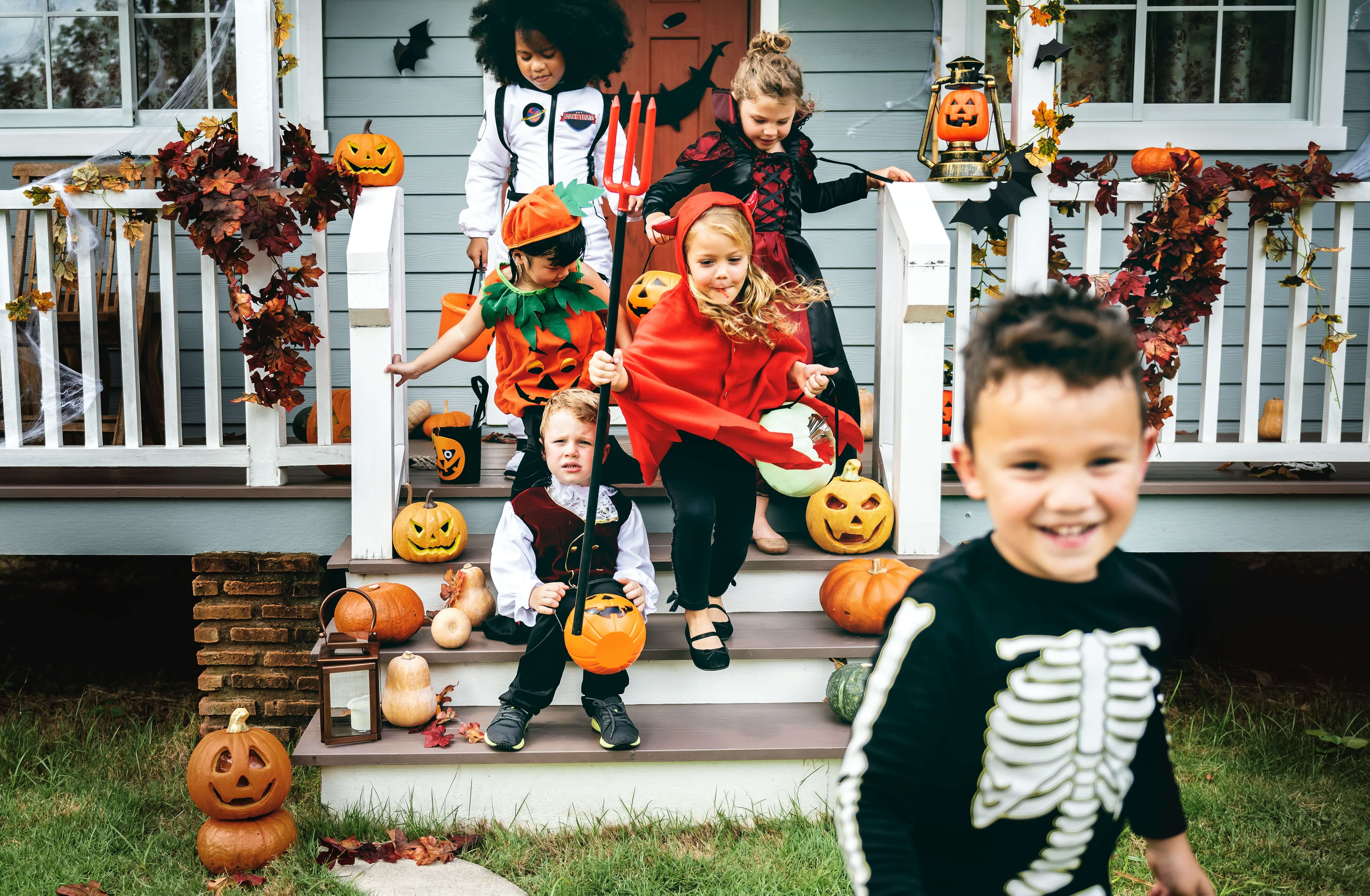
Halloween parties have tremendous potential. Costumes. Candy. Ridiculous food.
Children voluntarily entertaining themselves while dressed as household appliances and obscure video-game characters.
What's not to like?
The problem begins when a simple Halloween party quietly becomes an event production.
Suddenly you're constructing a cemetery in the front yard, hand-piping spiderwebs onto 48 cupcakes and wondering whether the living room requires a fog machine.
It does not. A good family Halloween party needs surprisingly little:
Something spooky to look at. Something good to eat. Something fun to do. And enough room for everyone to move without knocking over the witch.
The rest is optional.
Here's how to throw a Halloween party that kids and adults enjoy—and that doesn't require you to spend November recovering from it.
1. Decide What Kind of Party You're Having
Before buying anything, decide what you're planning. Is this:
- A children's Halloween party?
- A family party with kids and adults?
- A neighborhood gathering?
- A pre-trick-or-treat party?
- A Halloween dinner?
- An afternoon pumpkin party?
- A costume party?
- A small gathering at home?
These are not the same event. A party for eight six-year-olds needs different food, activities, and timing from a neighborhood party with 30 adults and children.
Decide:
Who is coming?
How many people?
How long will the party last?
What are the two or three things you actually want to happen?
That's your party. Everything else is decoration.
2. Keep the Guest List Compatible With the Space
More guests don't automatically make a better party. If your house comfortably holds 15 people, inviting 38 does not create additional square footage.
It creates a traffic problem. Think about where people will:
- Enter
- Put coats and bags
- Eat
- Sit
- Play games
- Use the bathroom
- Gather
- Leave
Children in costumes occupy more space than ordinary children. There are capes. Wings. Tails. Occasionally inflatable dinosaurs. Plan accordingly.
3. Pick a Simple Halloween Theme
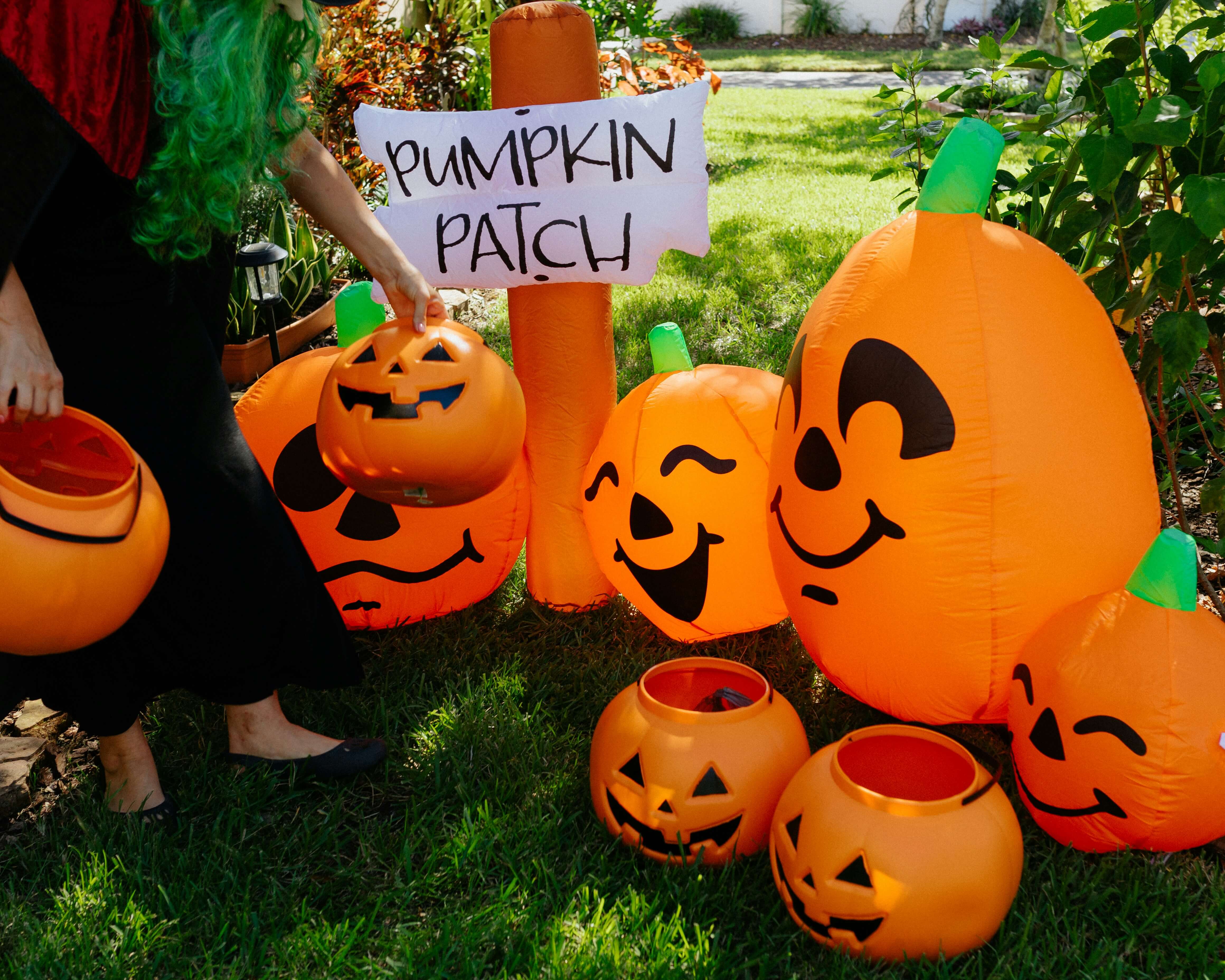
You don't need a theme. Halloween is already a theme. But if you want one, keep it broad enough that you don't have to purchase an entirely new decorative infrastructure.
Easy possibilities include:
Classic Halloween
Pumpkins, ghosts, bats, witches, and spiders.
Monster Party
Monsters, slime colors, and goofy rather than frightening decorations.
Haunted House
Dim lighting, cobwebs, and spooky decorations.
Pumpkin Party
Pumpkins, orange-and-black decorations and pumpkin activities.
Halloween Movie Night
Costumes, popcorn, candy and a family-appropriate Halloween movie.
Mad Scientist Party
Jars, labels, laboratory props, and suitably suspicious beverages.
Don't make the theme so specific that you find yourself searching the internet at midnight for historically accurate Victorian ghost napkins. Nobody at the party will know.
4. Decorate the Areas Guests Will Actually See
This principle can save you both money and sanity.
Decorate:
- The entrance
- Main party room
- Food table
- Activity area
- Bathroom, if you want a small surprise
You do not need to decorate:
- Every bedroom
- Laundry room
- Inside the pantry
- Garage shelves
- The hallway nobody will use
Concentrate decorations where they'll have the most impact. A few larger decorations generally create more atmosphere than dozens of tiny objects scattered everywhere.
Try:
- Pumpkins
- Paper bats
- Cobwebs
- Flameless candles
- String lights
- Black tablecloths
- Halloween garlands
- One dramatic centerpiece
Done. Your home has become Halloween. No structural modifications required.
5. Use What You Already Own
Before shopping, check the Halloween boxes. All of them. This sounds obvious until you realize you have bought black napkins for four consecutive years.
Gather what you already own in one place. Then decide what's missing.
Also look around the house for things that can work without being officially licensed as Halloween décor:
- Glass jars
- Candles or flameless lights
- Black or dark serving dishes
- Baskets
- Old picture frames
- White sheets
- String lights
- Branches
- Lanterns
You don't need a plastic spider bowl if you already own a perfectly functional bowl. The candy won't know.
6. Don't Deep-Clean the House Before the Party
Clean the parts people will notice. That's it. Before the party, concentrate on:
Entryway
Clear clutter and clean the floor.
Bathroom
Clean the sink, toilet, mirror, and floor. Put out clean hand towels and enough toilet paper.
Kitchen
Clear counters and clean food-preparation surfaces.
Main party area
Dust obvious surfaces and vacuum or mop. That's enough. Nobody attending a Halloween party is going to inspect the top of your refrigerator. And if they do, they're not invited next year.
7. Clear Clutter Before You Decorate
Halloween decorations added on top of everyday clutter create a special visual effect called:
More clutter.
Before decorating the main party spaces, remove unnecessary objects from:
- Counters
- Tables
- Entryways
- Mantels
- Food-serving areas
You don't have to declutter the house. Just give the decorations some breathing room. Five pumpkins on a cleared table look festive.
Five pumpkins surrounded by mail, charging cables, sunglasses, receipts, and three water bottles look like the pumpkins have paperwork.
8. Set Up the Food Where Traffic Can Flow
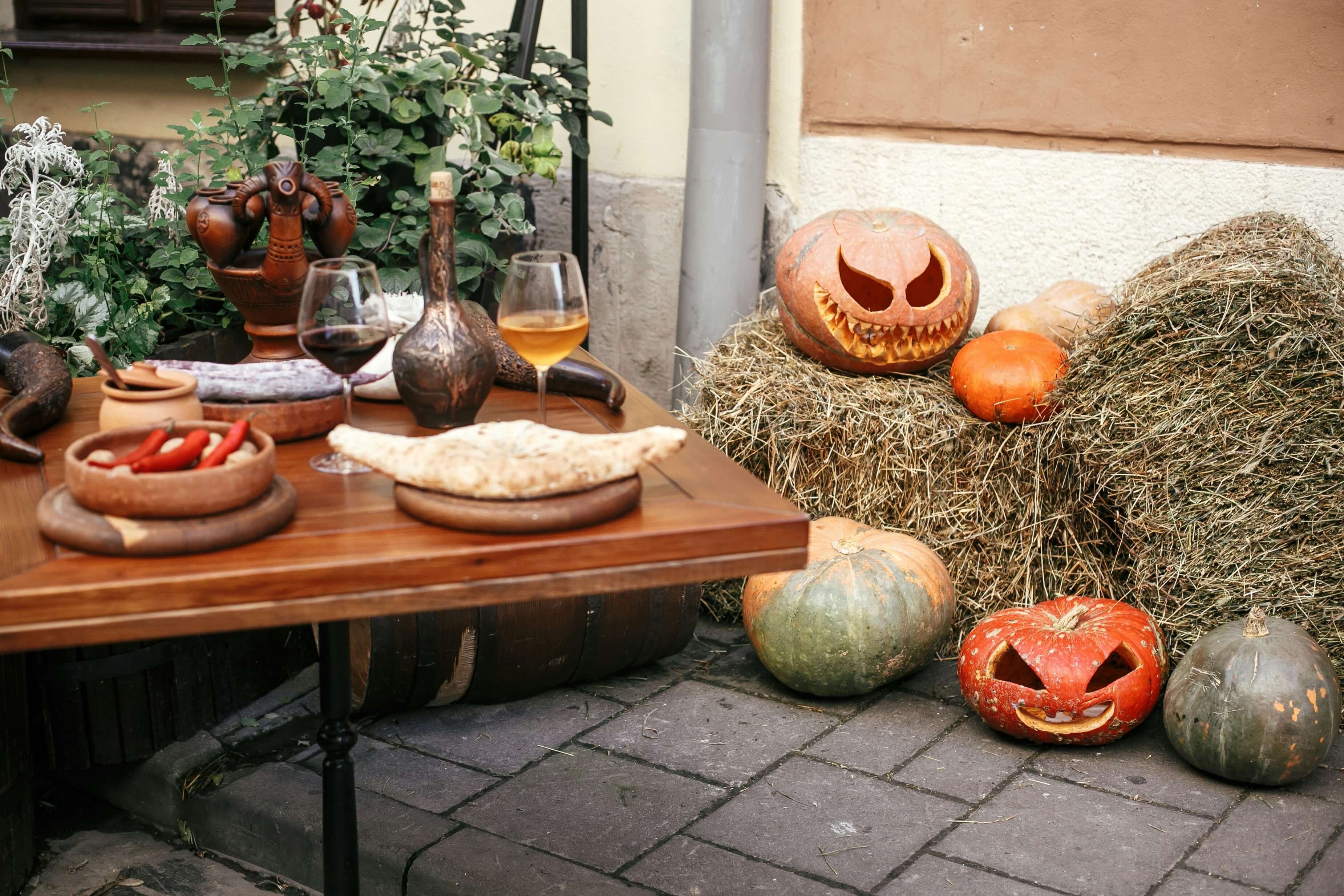
Don't create a food table in a narrow area where everyone has to squeeze past one another. Give guests room to approach, serve themselves, and move away.
Keep drinks separate from the main food area if space permits. That can reduce congestion. Put napkins, plates, and utensils where people can easily see them. And place a trash can somewhere obvious.
Guests will use a visible trash can. A hidden trash can becomes your personal scavenger hunt later.
9. Make the Food Easy to Eat
Halloween party food can be festive without requiring culinary sculpture. Start with ordinary food people actually like. Then make it slightly Halloween-ish.
For example:
- Pizza
- Sandwiches
- Chili
- Macaroni and cheese
- Vegetable trays
- Fruit
- Cheese and crackers
- Popcorn
- Pretzels
- Cupcakes
- Cookies
Add Halloween names or simple decorations if you want. A bowl of grapes does not have to become anatomically convincing eyeballs. It can remain grapes.
This is a party. Not a practical examination in special effects.
10. Don't Make Everything Sweet
There will already be candy. Possibly enough candy to influence commodity markets. Offer some savory food too. Depending on the time of the party, consider:
- Pizza
- Sliders
- Soup or chili
- Cheese
- Vegetables and dip
- Crackers
- Sandwiches
- Popcorn
If children are trick-or-treating afterward, feeding them actual food before they leave is particularly sensible. It may not prevent them from eating twelve pieces of candy later. But at least dinner had a representative present.
11. Label Foods When It Helps
If guests have food allergies or dietary restrictions, clear labels can make the food table easier to navigate. Keep ingredient information available when possible, particularly for homemade foods.
Don't guess whether something contains a particular allergen.
When appropriate, ask guests or parents about important food restrictions ahead of time. And be mindful of cross-contact when preparing and serving food for someone with a serious food allergy.
A cute sign is optional. Accurate information is not.
12. Pick Two or Three Activities—Not Twelve
You do not need to schedule every minute. Choose a few activities appropriate for your guests. Then allow the party to exist.
For younger children, structured activities can help. Older kids often need less orchestration. Good Halloween activities include:
- Costume parade
- Pumpkin decorating
- Halloween scavenger hunt
- Freeze dance
- Mystery-box guessing game
- Halloween bingo
- Mummy wrapping
- Pumpkin bowling
- Candy guessing game
- Halloween charades
Two or three is plenty. If everyone is having fun, you don't need to interrupt them because the spreadsheet says it's time for Pumpkin Bowling.
13. Try Pumpkin Decorating Instead of Carving
For parties with younger children, decorating pumpkins can be much easier than carving them. Provide washable or appropriate craft materials such as:
- Stickers
- Markers suitable for the surface
- Adhesive decorations
- Craft materials appropriate for the children's ages
Protect the table first. If older children or adults are carving pumpkins, supervise appropriately and keep sharp tools out of young children's reach.
A pumpkin decorating table can also double as a party favor. Everyone takes home the pumpkin they decorated.
Congratulations. You have entertained the children and removed party supplies from your house. Excellent planning.
14. Have a Costume Parade
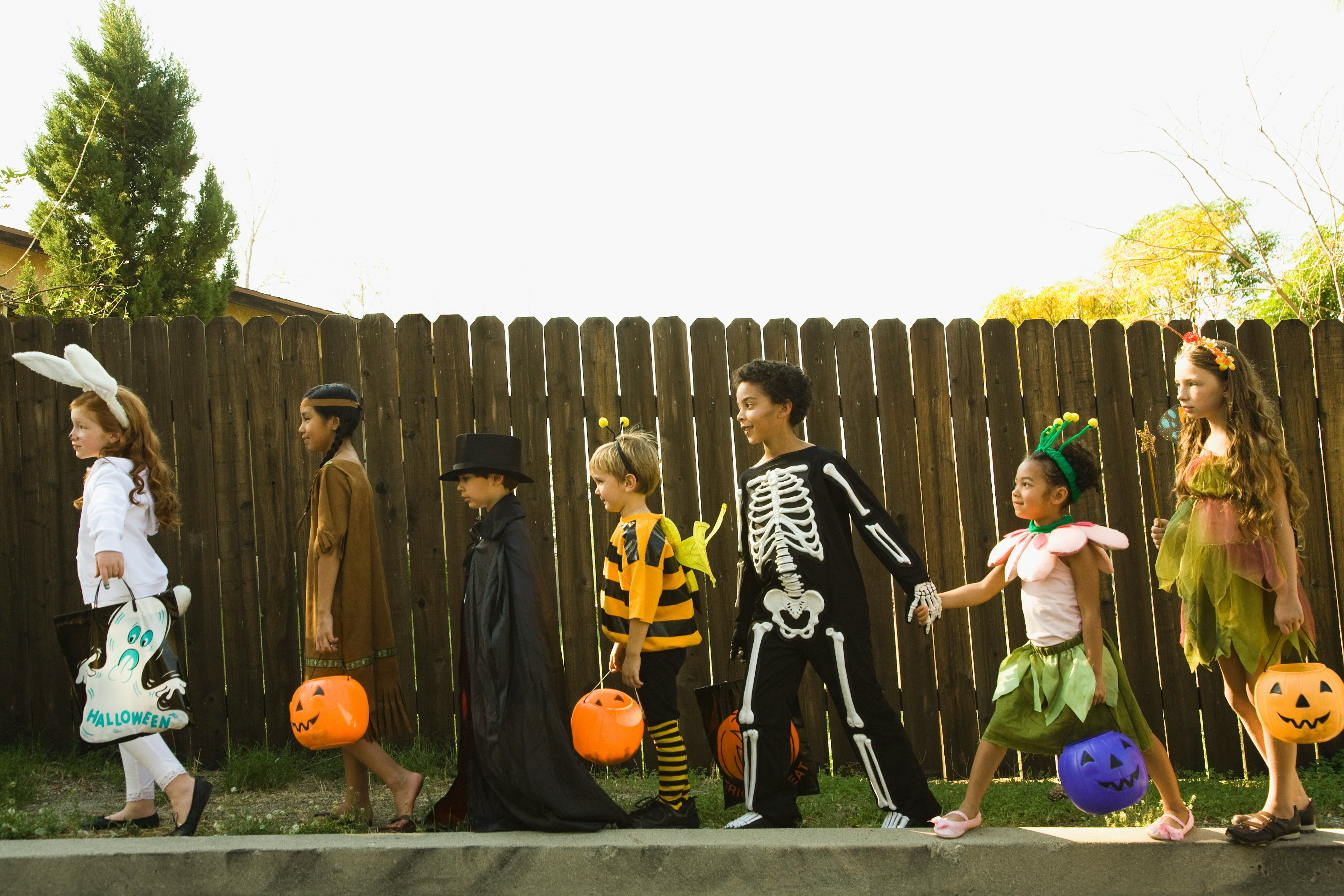
This is one of the easiest Halloween activities because everyone has already brought the equipment. Give everyone a chance to show off the costume.
Play music and have guests walk through the room or yard.If you give awards, consider categories that allow lots of participation:
- Funniest
- Most colorful
- Most creative
- Spookiest
- Best homemade costume
- Most mysterious
For young children especially, avoid turning the party into an intense costume competition. The four-year-old dressed as a banana has already won at life.
15. Set Up a Halloween Scavenger Hunt
A scavenger hunt requires relatively little setup. Depending on the age group, guests might search for:
- A spider
- A black cat
- A pumpkin
- A ghost
- A witch
- Something orange
- Something that glows
- Something with wings
- Something creepy
- Something silly
Use decorations already around the party.
For younger children, use pictures instead of written clues. For older kids, make the clues harder. You can even send teams around the house or yard if the space is safe.
No prizes are necessary. They're already leaving with candy.
16. Play Mummy Wrap
Divide guests into teams. Give each team toilet paper or another safe wrapping material. One person becomes the mummy. The others wrap.
Set a short timer. Then admire the results. Make sure faces remain uncovered, and participants can breathe and move safely.
And accept in advance that the floor will contain toilet paper afterward. This is not an unforeseen consequence. You authorized it.
17. Make the Bathroom Party-Proof
Before guests arrive:
- Clean the toilet
- Clean the sink
- Put out soap
- Put out a clean towel or disposable hand-drying option
- Make extra toilet paper visible
- Empty the trash
- Remove personal items you don't want handled
For a larger party, check the bathroom periodically. This isn't glamorous.
It is, however, one of the differences between a party that remains pleasant and one that begins to feel like a bus station.
18. Protect the Furniture Before the Party
If you're serving food around upholstered furniture, plan ahead.
Use:
- Washable tablecloths
- Placemats
- Trays
- Coasters
- Easily cleaned serving areas
Move especially fragile or valuable objects out of crowded spaces. If you're deeply worried about someone touching an object, remove it temporarily.
Don't leave Grandma's irreplaceable porcelain figurine on the coffee table and then spend three hours guarding it like a museum curator.
The ghost children are coming. Prepare.
19. Make the Party Safe for Costumes
Before guests arrive, look at the party space from the perspective of someone wearing a cape and possibly unable to see their own feet.
Remove:
- Loose cords
- Unstable decorations
- Tripping hazards
- Breakable objects in traffic paths
- Open flames near costumes
- Clutter on stairs and walkways
Use flameless candles where practical around children and costumes. Make sure outdoor paths and steps are well lit.
For a complete trick-or-treating safety check, see Halloween Safety Tips for Kids.
20. Have a Place for Costume Accessories
Costume parties generate accessories. Masks come off. Hats come off. Swords are abandoned. Capes become irritating.
Wings are removed after the third doorway collision. Put a basket or designated area near the party space for temporarily discarded costume pieces.
Otherwise, you'll spend the end of the evening holding up a plastic pirate hook and asking:
“WHOSE IS THIS?”
Nobody will answer. You will own it forever.
21. Keep Pets Comfortable
Halloween parties can overwhelm pets. Costumes, doorbells, unfamiliar people, noise, and open doors can create stress or escape risks.
Depending on your pet, consider providing a quiet, secure room away from the main activity.
Make sure guests know not to feed pets party food or candy. Chocolate and some other common foods can be dangerous to pets. Keep candy and wrappers out of reach.
Your dog does not understand that the bowl on the coffee table contains forbidden chocolate. Your dog understands only opportunity.
22. Don't Overschedule the Party
For younger children especially, a shorter party can be a better party. You want to end while people are still having fun, Not forty-five minutes after the first child has melted into the floor because the witch hat is itchy.
A simple flow might be:
Arrival and costumes
↓
Food
↓
One activity
↓
Free play
↓
Second activity or costume parade
↓
Dessert
↓
Home
That's a party. No keynote speaker required.
23. Put Cleanup Supplies Somewhere Accessible
Before the party, prepare a small cleanup station. You might need:
- Paper towels or reusable cloths
- Appropriate surface cleaner
- Trash bags
- Laundry stain remover
- Broom or vacuum
- Extra hand towels
This is not pessimism. Someone will spill something. It's a party. Deal with spills quickly so they don't become stains.
For chocolate, makeup, pumpkin, fake blood, and the rest of Halloween's laundry portfolio, use our Halloween Stain Removal Guide.
24. Make Cleanup Part of the Party Plan
Don't wait until the last guest leaves to consider what happens next.
Before the party:
Line trash cans.
Empty the dishwasher.
Start with an empty kitchen sink.
Clear refrigerator space for leftovers.
Choose washable serving pieces where practical.
Put away unnecessary household clutter.
Have food-storage containers ready.
These tiny preparations can turn the post-party cleanup from:
What happened here?
into:
Twenty minutes and we're done. That's an excellent trade.
25. Clean in the Right Order Afterward
Once the party is over, resist the urge to attack random messes. Use this order:
1. Food
Refrigerate safe leftovers promptly and discard food that shouldn't be kept.
2. Trash and recycling
Get it out of the party spaces.
3. Dishes
Load the dishwasher or start soaking anything that needs it.
4. Decorations and furniture
Return the room to normal.
5. Stains and spills
Treat anything that needs prompt attention.
6. Surfaces
Wipe tables and counters.
7. Floors
Vacuum or mop last. There is no point in vacuuming first and then showering the floor with cupcake crumbs while clearing the table.
Gravity will win. Plan for it.
The 30-Minute Halloween Party Setup
Short on time? You can make the house party-ready in half an hour.
10 minutes: Clear
Remove clutter from the entryway, bathroom, and main party area.
5 minutes: Clean
Quickly clean the bathroom and obvious kitchen surfaces.
5 minutes: Decorate
Concentrate on the entrance and food table.
5 minutes: Food station
Set out plates, napkins, cups, and serving pieces.
5 minutes: Party logistics
Set up the trash can, costume-accessory basket, and first activity. Done. Nobody needs to know you didn't spend all afternoon preparing.
Please don't tell them. You'll ruin this for everyone.
The 20-Minute After-Party Cleanup
Before collapsing onto the sofa:
5 minutes: Gather trash and recycling.
5 minutes: Put away food and load dishes.
5 minutes: Treat spills and stains.
5 minutes: Return furniture and obvious objects to their places.
Then stop. Vacuum tomorrow if you want. The crumbs are not going anywhere.
They're exhausted too.
Family Halloween Party Checklist
Before the party
- Decide on party size and type
- Choose a simple theme if desired
- Clear the entryway
- Clean the bathroom
- Clear food-preparation areas
- Decorate the main party spaces
- Plan two or three activities
- Check food allergies and dietary needs
- Prepare easy food
- Set up food and drinks
- Make trash and recycling easy to find
- Remove fragile objects
- Clear walkways and cords
- Use safer lighting around costumes
- Make a plan for pets
- Put cleanup supplies within reach
During the party
- Deal with spills promptly
- Keep food areas reasonably tidy
- Check the bathroom
- Keep walkways clear
- Let people have fun instead of enforcing the schedule
After the party
- Put away food
- Collect trash and recycling
- Load dishes
- Treat stains
- Return furniture
- Wipe surfaces
- Vacuum or mop
- Put away decorations when you're ready
The Bottom Line
A successful family Halloween party does not require professional decorations, twelve activities, or food shaped like human organs.
People need somewhere comfortable to gather. Kids need something fun to do. Everyone needs something to eat. The bathroom needs toilet paper. That's most of the infrastructure.
Decorate the places people will see. Serve food people actually want. Plan a couple of activities. Clear the tripping hazards. Prepare for spills.
Then enjoy your own party. Because if you've spent three days creating a flawless haunted house but you're too tired to speak to anyone when they arrive, we've somewhat lost the plot.
Halloween is supposed to be a little chaotic. That's part of the fun.
The trick is making sure the chaos leaves when the guests do.
Keep Going
Taking the party outside afterward? Read Halloween Safety Tips for Kids before trick-or-treating begins.
Chocolate on the costume? Fake blood on the sofa? Head directly to Tricks for Treating Halloween Stains.
For the rest of the month's household jobs, use the October Cleaning Checklist.
And for more practical ideas for home life with kids, visit Family Life.
- Clean Home
- Family Life
- Family Halloween Party Tips