How To Clean Cloudy Glass
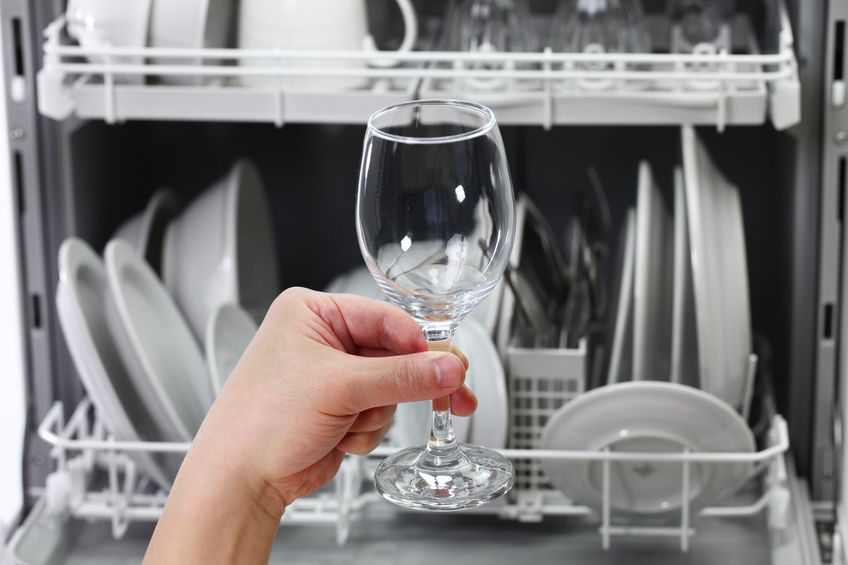
How to clean cloudy glass? The answer begins with understanding what causes glasses to become cloudy.
Let's start with the water. It is usually heated to 140 degrees and softened to make dish detergent clean better. And then there is you and me - dutifully rinsing dishes and glasses before loading them into the dishwasher.
The combination packs an almost too-powerful cleaning punch, leaving glasses looking worse for wear over time. Here's how to clean cloudy glass and restore its former clarity.
Water Stain, Hard Water Deposit, or Etching?
When the dishwasher runs, things get hot inside. Without hard-water minerals to act on and little food waste to occupy them, the cleaning phosphates in your dishwashing detergent turn into troublemakers for your glassware.
At the end of the cycle - or combination of months of cycles - you end up with cloudy glasses that no amount of cleaning seems to coax away.
A magnifying glass, however, would reveal the truth - your glasses are etched - as in the glass surface itself is scratched. You can't clean cloudy glass with this problem.
To determine whether you're dealing with water stains on your cloudy glasses, hard water deposits, or etching, drop a bit of vinegar into the glass.
Rub it around with your finger. Drain the vinegar; let dry. If the rubbed area dries clear, the problem is likely water stains or hard water deposits. If there's no change, however, your glassware has been irreversibly etched.
How To Clean Cloudy Glass of Water Deposits
To remove hard water stains from glasses, add an acidic rinse (such as white vinegar) to your dishwasher, and rerun the cycle with the glasses inside.
The best-performing low-phosphate detergents include Finish Powerball Tabs, Cascade Complete Actionpacs, and Cascade Complete Gel Dishwasher Detergent.
You can also give Restaurant Crystal Clean: Professional Wine Glass Cleaner a try; it works wonders on removing glass clouding and reducing soap scum - no soaking required.
Wine Enthusiast Stem Shine Wine Glass Cleaning Liquid is another top-rated wine glass cleaner to try. As an added bonus, it also eliminates streaking.
How to Prevent Future Glass Clouding
To prevent future glass clouding:
- Increase the water temperature entering the dishwasher to 140°F.
- Use the dishwasher's no-heat, energy-saver dry cycle.
- Adjust the amount of dishwashing detergent according to the hardness of the water.
- Let the detergent do its job unaided: Refrain from pre-rinsing dishes before putting them in the dishwasher. This not only saves water but also gives your detergent what it needs to be effective: food to remove. Without it, the alkaline concentration of your detergent increases, which is bad news for your glasses.
- Clean Home
- Clean
- How To Clean Cloudy Glass