Kitchen Safety Tips For Cooking Dinner
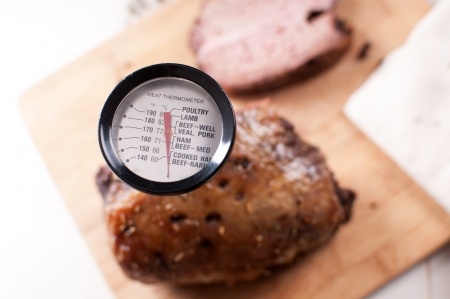
Kitchen safety tips for cooking dinner. In the kitchen, proper handling of raw meat, fish, and poultry can stop most germs associated with them from multiplying to levels that can make you and your family ill.
While most pathogens that occur naturally in uncooked foods are killed by proper cooking - to an internal temperature of at least 145 F (63 C) for roasts or chops of beef, veal, or lamb; 160°F for ground meats; and 180 F (83 C) for poultry - many germs can spread long before you pop the entree into the oven.
When it comes to your family's and guests' health, you can never be too careful. Keep germs and bacteria in check with these kitchen safety tips for cooking dinner.
Kitchen Safety Tips for Cooking and Keeping Bacteria at Bay
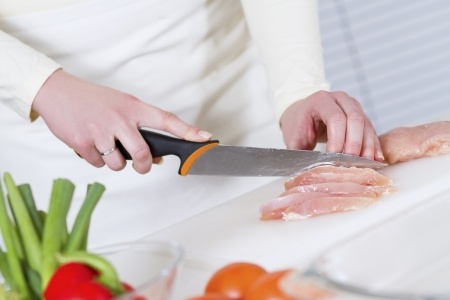
E. coli, hepatitis A, and Salmonella - the most common food contaminants - can find their way onto a sponge or dishcloth. You, in turn, can spread the bacteria throughout your kitchen unless you try to stop them.
The most important thing you can do to ensure your family's health is to wash your hands with warm, soapy water for at least 20 seconds before and after preparing food.
This will prevent you from spreading meat-, poultry-, or fish-borne bacteria onto refrigerator doors, cabinet handles, and countertops, where they'll lie in wait the next time you reach for a leftover slice of pizza.
In addition to washing your hands, you can help prevent cross-contamination by washing the utensils used to prepare your raw food in hot, soapy water.
That includes all knives, cutting boards, and serving platters that have come into contact with raw meat, fish, or poultry. When grilling, don't serve meat on the same platter you used to carry outside before cooking.
If your kitchen counter comes in contact with even a drop of juice from uncooked meat, poultry, or fish, clean up the area with hot, soapy water and paper towels - not the sponge you use daily.
However, to kill all the germs, you'll need to clean the surface with a mild bleach solution (one part bleach to nine parts water) or use a commercial disinfectant.
Keep all kitchen surfaces dry; bacteria survive no more than a few hours without moisture. Even your kitchen sponges and dishcloths—the items that are supposed to help you eliminate lurking germs—can be part of the problem unless you clean them regularly.
You should replace your sponges every two weeks. Regularly throw dishcloths in the washing machine - always use hot water and bleach.
Experts recommend using a plastic cutting board (not a wooden one) for raw meats, as it is less likely to harbor bacteria. Wash it in hot, soapy water after each use.
Kitchen Safety Tips for Cooking and Food Handling
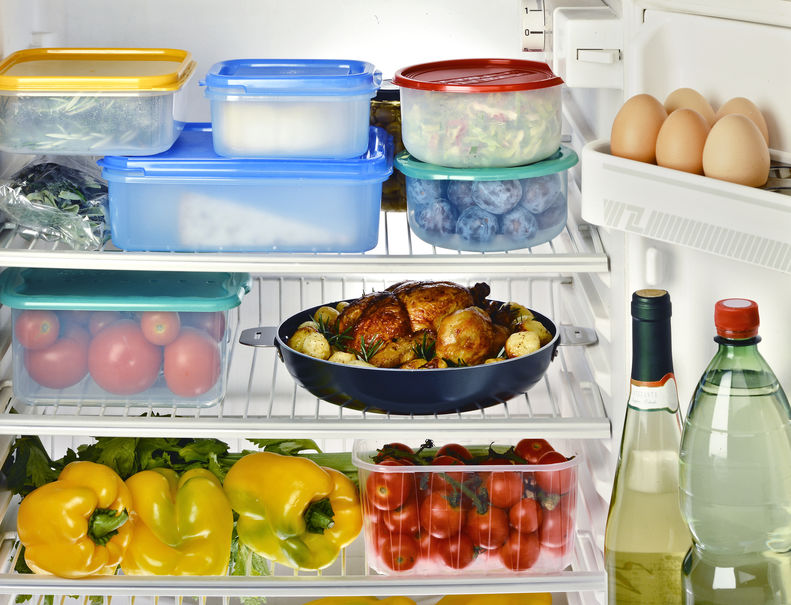
Always eat food while it's hot, and refrigerate leftovers promptly.
Prepared or cut food, including fruit, should not sit unrefrigerated for more than 2 hours in cool weather and 1 hour in warm weather. If the food item has been left out, toss it for kitchen safety and your family's health.
Always store eggs in the fridge and discard those with cracked or broken shells.
Resist the urge to taste-test if you're unsure about something - even a small amount of contaminated food can make you ill.
Put dates on leftovers in the fridge so that you can use them within a safe period - usually a few days. Determining a food's safety by odor or appearance is risky; spoilage isn't always obvious.
Finally, wash produce before you eat or cook it to remove surface germs. That way, you won't contaminate other surfaces after touching these foods.
Kitchen Safety Tips for Cooking and Defrosting Food
Keep germs and bacteria in check - and out of your food - with these kitchen safety tips for cooking and defrosting food:
- In the refrigerator: Thaw frozen meat overnight; large cuts may take longer, so allow for that possibility in your cooking schedule
- On the countertop: Place meat in a watertight plastic bag and submerge in a bowl of cold water. Leave until just thawed, changing the water every 30 minutes. Cook or refrigerate promptly
- In the microwave: Use the defrost setting, then finish cooking immediately.
- Clean Home
- Kitchen Cleaning & Organizing
- Kitchen Safety Tips for Cooking