Summer Stain Removal: How to Get the Season Out of Your Clothes
Summer is hard on laundry.
Apparently you can't have a barbecue without wearing part of it.
Children can't encounter grass without eventually becoming grass-colored.
Sunscreen migrates from skin to shirts, swimsuits and towels.
Ice cream melts faster than anyone can eat it.
And a perfectly innocent white T-shirt can go outside at noon and return at 6 p.m. looking as though it has been through active military service.
Fortunately, most summer stains aren't disasters.
The biggest advantage you can give yourself is treating them before they go through the dryer.
Because once you've washed and dried a stain several times, you've stopped ignoring it and started helping it settle in.
Here's how to handle some of summer's most common laundry stains.
Before You Treat Any Stain
A few rules apply no matter what landed on your clothes.
Check the care label.
Always.
A stain-removal technique is not successful if the stain disappears along with the garment's color, shape, or texture.
Treat the stain promptly.
The sooner you deal with most stains, the better your chances of removing them.
You don't necessarily have to drop everything at the picnic and begin laundering your shorts.
But don't toss the garment into a hamper for nine days and expect the stain to be gone later.
Blot. Don't grind.
If the spill is fresh, blot away excess liquid with a clean cloth or paper towel where appropriate.
Don't rub a liquid stain, as it can push it deeper into the fabric.
Remove solids first.
If there's ketchup, ice cream, mud, or another solid substance sitting on the fabric, gently remove the excess without spreading it.
Don't put a stained garment in the dryer until you've checked it.
This may be the most important rule on this page.
After washing, inspect the stained area before drying in the machine. If the stain remains, treat it again as appropriate.
Heat can make some stains considerably harder to remove. We don't send stained items to the dryer for further treatment.
1. Sunscreen Stains
Sunscreen protects your skin beautifully. Your clothing sometimes pays the price.
Sunscreen stains can contain oily ingredients, so treat them like a greasy stain. Remove any excess product without spreading it.
Apply an appropriate laundry stain remover or liquid laundry detergent to the affected area if permitted by the product and garment instructions.
Let it pretreat for the recommended time. Wash according to the garment's care label using the appropriate detergent.
Then check the stain before drying. If it remains, repeat the treatment instead of putting it in the dryer.
Some sunscreen ingredients can also contribute to discoloration on certain fabrics or under particular water conditions, so stubborn orange or yellowish sunscreen marks may require more specialized treatment.
Whatever you do, don't respond by pouring three additional cleaners onto the shirt simultaneously. Improvisational chemistry won't improve laundry.
2. Grass Stains
Grass stains are a classic summer achievement. They're especially popular on knees. Pretreat the stained area with an appropriate stain remover or liquid laundry detergent, following the product directions.
Gently work the treatment into the stained area. Let it sit for the recommended time.
Then wash using the warmest water appropriate for the garment according to its care label and your laundry product instructions.
Check before drying. If green remains, treat again.
Don't assume bleach is automatically the answer—especially on colored fabric. Grass stains are annoying. A bleached-out knee where the grass stain used to be is not technically an improvement.
A useful stain-removal option: OxiClean MaxForce Laundry Stain Remover Spray is designed for pretreating everyday laundry stains, including grass.
Follow the label directions and check the garment’s care label before treating.
3. Sweat and Perspiration Stains
Summer gives us sunshine, vacations, and the opportunity to perspire through clothing while doing absolutely nothing.
Underarm stains may involve a combination of perspiration, body oils, and deodorant or antiperspirant residue.
Pretreat washable garments with a laundry product appropriate for the fabric and stain.
Wash according to the garment care label.
Don't automatically use very hot water.
The right water temperature depends on the fabric and stain, and the care label should guide you.
If odor remains after washing, don't cover it with fragrance and declare victory.
Treat and wash again if appropriate.
A shirt smelling like “Mountain Breeze” plus old perspiration is now simply giving you two smells.
4. Barbecue Sauce
Barbecue sauce was designed to remain on ribs.
It has other ambitions.
If sauce lands on clothing, gently remove the excess without pushing it farther into the fabric.
Rinse or pretreat according to the garment and stain-removal product instructions.
Apply an appropriate laundry stain remover or detergent.
Wash according to the care label.
Then inspect before drying.
Barbecue sauce may contain several stain-producing ingredients at once—tomato, sugar, oil, spices—so simply wiping it with a napkin and hoping for the best doesn't always work.
The napkin handled the emergency.
Now the laundry room has the case.
5. Ketchup
Ketchup stains are easier to handle when they're fresh.
Remove excess ketchup gently.
For washable fabrics, rinse and pretreat according to your laundry product and garment instructions.
Apply an appropriate stain remover or detergent, then wash as directed on the care label.
Check before drying.
If you can still see the stain, don't dry it yet.
And don't vigorously rub the ketchup around until you've turned a dime-sized spot into a tomato-themed design feature.
Containment is part of stain removal.
6. Grease and Cooking Oil
Burgers.
French fries.
Salad dressing.
Butter.
That one piece of grilled food that somehow traveled directly from the plate to your shirt.
Summer provides grease stains in abundance.
Gently blot away excess oil.
Then pretreat with a laundry product appropriate for oily stains and the fabric.
Liquid laundry detergent can be convenient for pretreating many washable greasy stains when its label permits.
Wash according to the garment care instructions.
Check the area carefully before drying because grease stains can become less obvious when fabric is wet.
This is one of laundry's less charming tricks.
The shirt looks clean.
You dry it.
The grease spot reappears, as if it's been waiting for better lighting.
7. Berry Stains
Strawberries, blueberries, blackberries, and raspberries are wonderful right up until one lands on a white shirt.
Remove any fruit solids carefully.
Treat the stain promptly using a stain-removal method appropriate for the garment.
Rinse and pretreat according to the product directions, then wash according to the care label.
Inspect before drying.
Don't automatically reach for chlorine bleach simply because the garment is white.
Not every white fabric can safely be bleached.
Read the label.
The garment label, not the berry.
The berry has already demonstrated questionable judgment.
8. Ice Cream
Ice cream stains may contain dairy, sugar, flavoring, and sometimes fat.
In other words, it's less of a stain and more of a committee.
Remove excess ice cream.
Treat the stained area promptly with an appropriate laundry stain remover or detergent.
Follow the product directions and garment care label for washing.
Because protein-containing stains can respond differently to heat, don't automatically start with the hottest water available. Follow the treatment instructions appropriate for the stain and fabric.
Check before drying.
Chocolate ice cream may require additional treatment because now chocolate has joined the committee.
9. Chocolate
Chocolate melts in summer.
Frequently onto clothing.
Remove any excess without spreading it.
Pretreat with a stain remover or detergent appropriate for the garment.
Wash according to the care label and product instructions.
Check the stained area before drying.
Chocolate may contain both pigment and fat, so don't be surprised if it takes more than one treatment.
This is not the moment to decide the stain is “probably gone” because you're tired.
Turn on a light.
Look.
The dryer is waiting to make your optimism permanent.
10. Mud
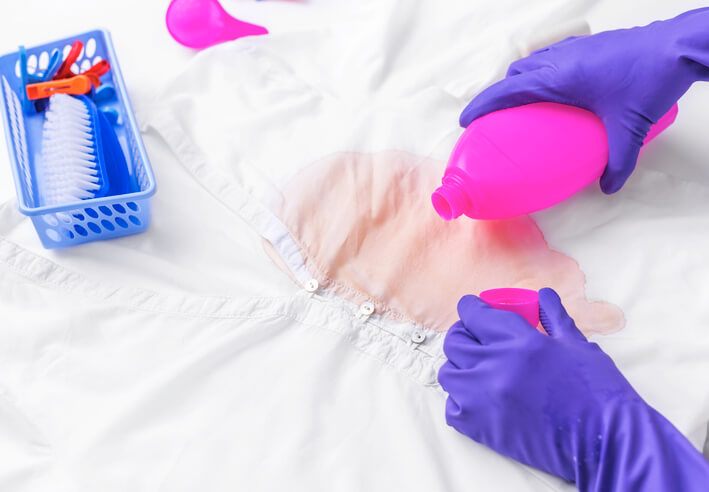
Mud stains inspire people to immediately attack them while they're wet.
Sometimes waiting is more useful.
For ordinary mud on washable clothing, allow excess mud to dry when appropriate, then brush or shake off as much dried soil as possible.
Now you're dealing with considerably less dirt.
Pretreat the remaining stain with an appropriate laundry product and wash according to the garment's care instructions.
Check before drying.
There is no prize for putting half the backyard into your washing machine.
Remove what you can first.
11. Blood
Summer scrapes happen.
If blood gets on washable clothing, treat it promptly.
Cold water is commonly used initially for fresh blood rather than hot water, but always follow the garment care label and stain-removal product instructions.
Rinse when appropriate, then pretreat with a laundry product suitable for the fabric and stain.
Wash according to care instructions.
Check before drying.
Wear appropriate protection when handling blood that isn't your own, and follow suitable hygiene precautions.
This is one stain where speed is particularly helpful.
12. Makeup and Self-Tanner
Summer clothing and makeup have an unfortunate habit of meeting around collars.
Self-tanner can be even more determined.
Treat makeup according to what it contains.
Oily foundation may need treatment suitable for grease.
Other cosmetics may contain pigments requiring a different approach.
Remove excess product gently rather than rubbing it farther into the fibers.
Pretreat with an appropriate laundry stain remover or detergent, then wash according to the garment care label.
Self-tanner should be treated promptly because the color is quite literally designed to develop and remain visible.
Wonderful on legs.
Less wonderful on sheets.
What About Swimsuits?
Swimsuits need slightly different care from ordinary laundry.
Chlorine, salt water, sunscreen, body oils and heat can all be hard on swimwear.
Check the suit's care label.
Rinse swimwear promptly after use when recommended.
Wash according to the manufacturer's instructions and avoid treatments that may damage stretch fibers, color or fabric.
Don't automatically throw a swimsuit into a hot washer and hot dryer with the family towels.
Stretch fabric has suffered enough.
Don't Leave Wet Towels and Swimsuits in a Heap
Summer creates an entirely separate laundry problem:
The Wet Pile.
Someone comes home from the pool.
Wet swimsuit goes inside wet towel.
Wet towel goes into bag.
Bag goes onto the floor.
Two days later, somebody opens it.
Now the bag has developed its own atmosphere.
Don't leave wet laundry bundled up.
Hang wet towels and swimwear to dry or launder them promptly according to their care instructions.
Moist fabric sitting in a warm heap is not heading anywhere good.
What Water Temperature Should You Use?
No single water temperature works best for every summer stain.
Use the temperature recommended for:
- The garment
- The stain
- The laundry product you're using
Cold water is often a good choice for everyday laundry and is important for initially treating some stains, while other situations may benefit from warmer water when the fabric permits.
For the full explanation, see What Temperature Should You Wash Clothes?
Why You Shouldn't Mix Stain Removers
A stubborn stain can inspire escalating desperation.
The first product doesn't work.
So you add another.
Then something from under the kitchen sink.
Then bleach begins looking attractive.
Stop.
Never casually mix cleaning or laundry products.
Some combinations can produce dangerous fumes or reactions.
Use one appropriate product, as directed on the label.
Rinse when directed before moving to another treatment.
And never mix chlorine bleach with ammonia, vinegar or other acidic products.
No T-shirt is worth turning the laundry room into a hazardous-materials incident.
The Summer Stain Emergency Routine
When something lands on clothing, remember this:
1. Stop.
Don't rub.
2. Remove.
Lift away excess solids or blot excess liquid as appropriate.
3. Check.
Read the garment care label.
4. Treat.
Use a stain-removal product appropriate for the stain and fabric.
5. Wash.
Follow the garment and laundry product instructions.
6. Inspect.
Look at the stain before drying.
7. Repeat if necessary.
A second treatment is preferable to permanently drying the stain into the fabric.
That's the entire system.
You don't need to memorize seventeen stain-removal recipes.
You need to avoid making the original problem worse.
Build a Tiny Summer Stain Kit
If your family spends a lot of time outdoors, keep basic stain supplies handy.
You might include:
- Clean white cloths
- Laundry stain remover
- Your usual laundry detergent
- A soft brush if recommended for treatments you use
- A small container for soaking when appropriate
- Garment-care information for anything unusual or expensive
That's enough.
You don't need an emergency response vehicle.
Although anyone who has watched a child eat a melting chocolate ice cream cone while wearing white may disagree.
The Biggest Summer Stain Mistakes
Most stains become harder because of what happens after the spill.
Avoid these:
Waiting too long.
Rubbing instead of blotting.
Using a treatment without checking the fabric.
Using too much product.
Mixing cleaning products.
Assuming hotter water is always better.
Putting the garment in the dryer without checking the stain.
That last one deserves repeating.
Check before drying.
If you remember only one thing from this entire article, make it that.
The Bottom Line
Summer is going to stain things.
That's what happens when people leave the house.
The solution isn't keeping everyone indoors until September.
Treat spills promptly.
Remove excess material first.
Use the right treatment for the stain and fabric.
Follow care labels.
Don't randomly mix laundry products.
And don't put a stained garment into the dryer until you're satisfied the stain is gone.
Most importantly, keep some perspective.
A grass stain means somebody went outside.
A chocolate stain means somebody had ice cream.
A muddy pair of shorts means somebody probably had a better afternoon than the shorts did.
Get the stain out if you can.
Then send everybody back outside.
Keep Going
For stains year-round, visit our Laundry & Stain Removal Guide.
Not sure whether to use cold, warm, or hot water? See What Temperature Should You Wash Clothes?
For keeping dark summer clothes from fading, visit How to Wash Dark Clothes.
And for the liquid-versus-powder question, see Liquid vs. Powder Laundry Detergent.
- Clean Home
- Laundry Guide
- Summer Stain Removal